Up to 70% lower prices than other countries
Orthognathic Treatment In Albania | American Dental Hospital
For patients with jaw misalignment affecting bite, facial balance, or daily function, orthognathic treatment in Albania offers a corrective and long-term solution. At American Dental Hospital, advanced jaw correction treatment restores proper alignment, improves oral function, and enhances facial harmony under the highest medical standards.
Excellent
436 reviews on

What Is Orthognathic Treatment?
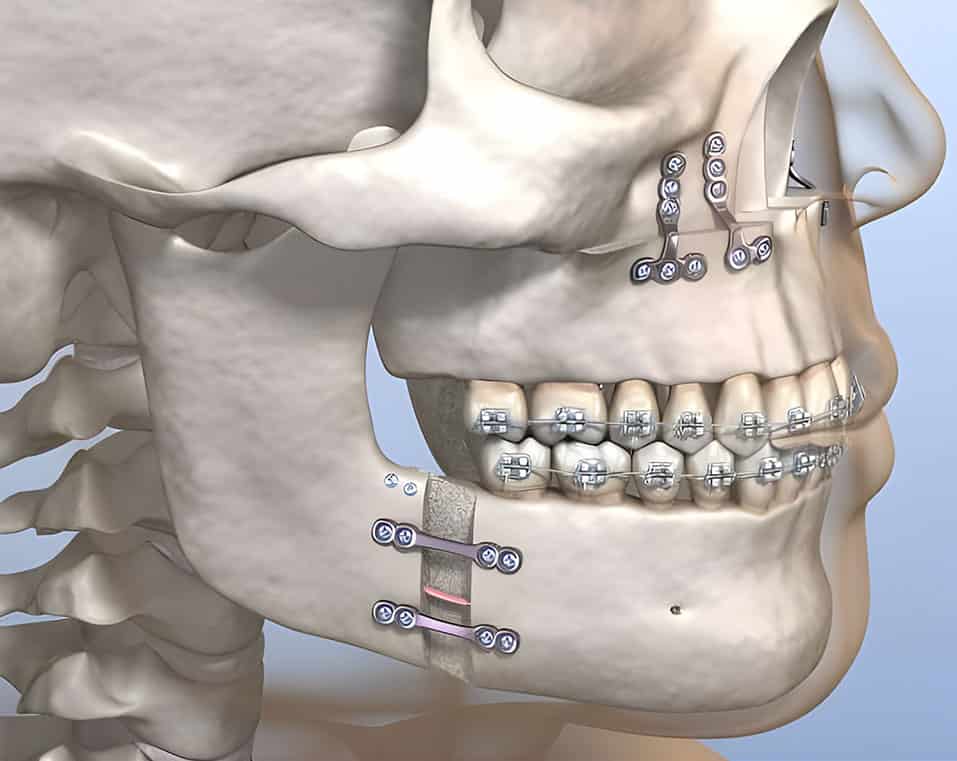
Orthognathic treatment, also called corrective jaw surgery, is a combination of orthodontics and surgery to correct severe jaw misalignment that cannot be fixed with braces alone. The surgery repositions the upper jaw, lower jaw, or both to achieve proper alignment.
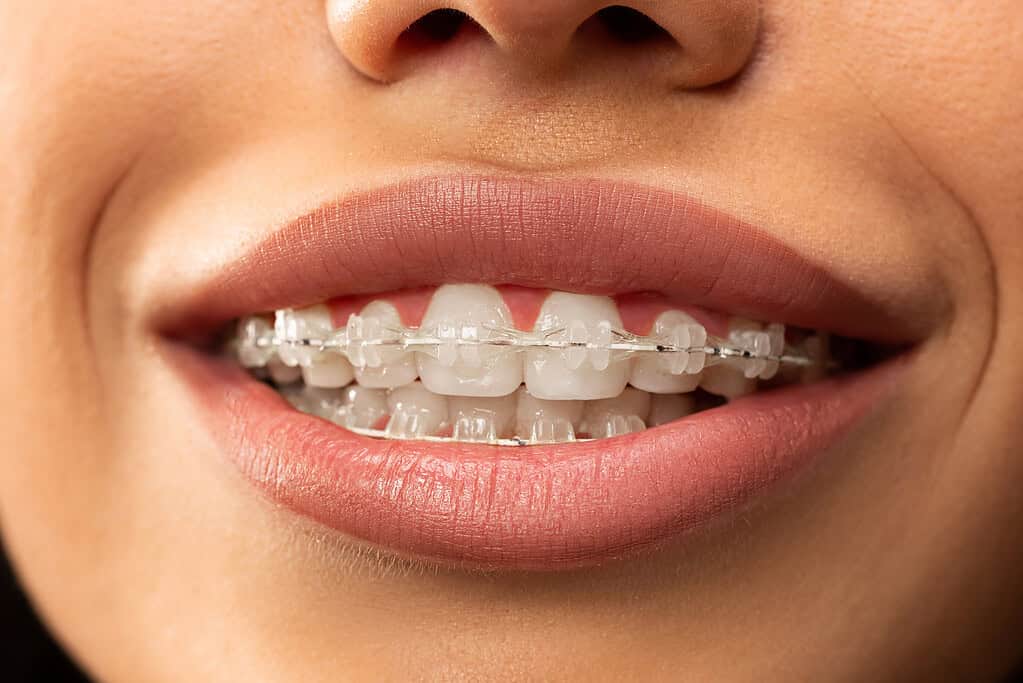
This comprehensive treatment addresses skeletal discrepancies that affect bite function, facial appearance, breathing, and speech. Braces align teeth before surgery, the surgeon repositions jaw bones, and braces finish alignment after healing.
Orthognathic treatment delivers life-changing improvements in function and aesthetics. It corrects problems that have existed since childhood or developed over time, providing permanent solutions.
Get Your Free Dental Quote
Speak with an experienced dentist in Albania and receive a personalized treatment recommendation. We offer free evaluations for all dental treatments, with transparent pricing and expert guidance at every step.
Start your transformation today!
Send your details for a FREE CONSULTATION!
Before and After: Dentist Albania
Take a look at our Before & After gallery to discover the success stories of our patients – from simple whitening to complete rehabilitations with dental implants.


Dentists in Albania Video Reviews
This section collects video testimonials from patients of our dental clinic in Albania, showing results and real stories of those who chose American dental hospital.



Watch John S.’s Story
Dental Veneers
Watch John S.’s Story
Dental Veneers
Watch John S.’s Story
Dental Veneers
Watch John S.’s Story
Dental Veneers
Watch John S.’s Story
Dental Veneers
Watch John S.’s Story
Dental Veneers
The Orthognathic Treatment Process
Comprehensive Evaluation
The oral surgeon and orthodontist evaluate your bite, jaw alignment, facial proportions, and airway. At American Dental Hospital, this includes clinical examination, photographs, and discussion of functional and aesthetic goals.
Advanced 3D Imaging
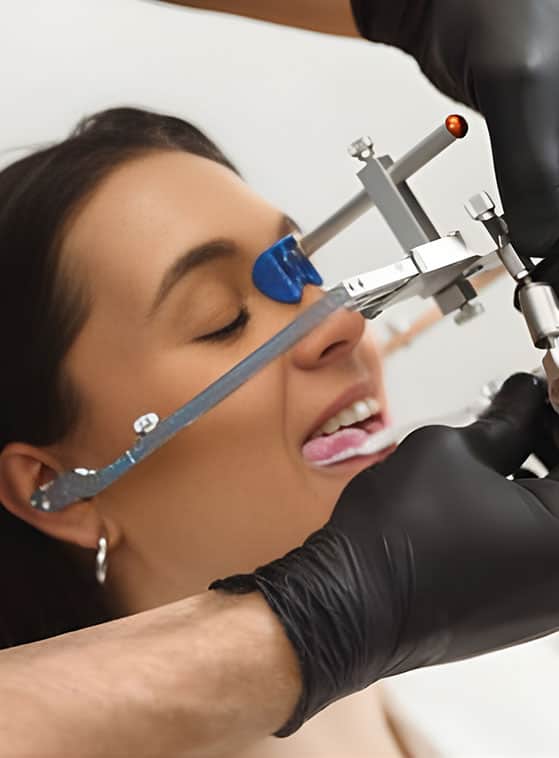
Cone beam CT scans create detailed 3D images of jaw bones, teeth, and surrounding structures. These images allow precise surgical planning.
Virtual Surgical Planning
Specialized software simulates the surgery virtually. The surgeon plans exact movements, cuts, and final jaw positions before the actual procedure. This ensures predictable outcomes.
Pre-Surgical Orthodontics
Braces are placed to align teeth within each jaw arch. This phase typically takes 12-18 months and prepares teeth for their new bite relationship after surgery.
Surgical Procedure
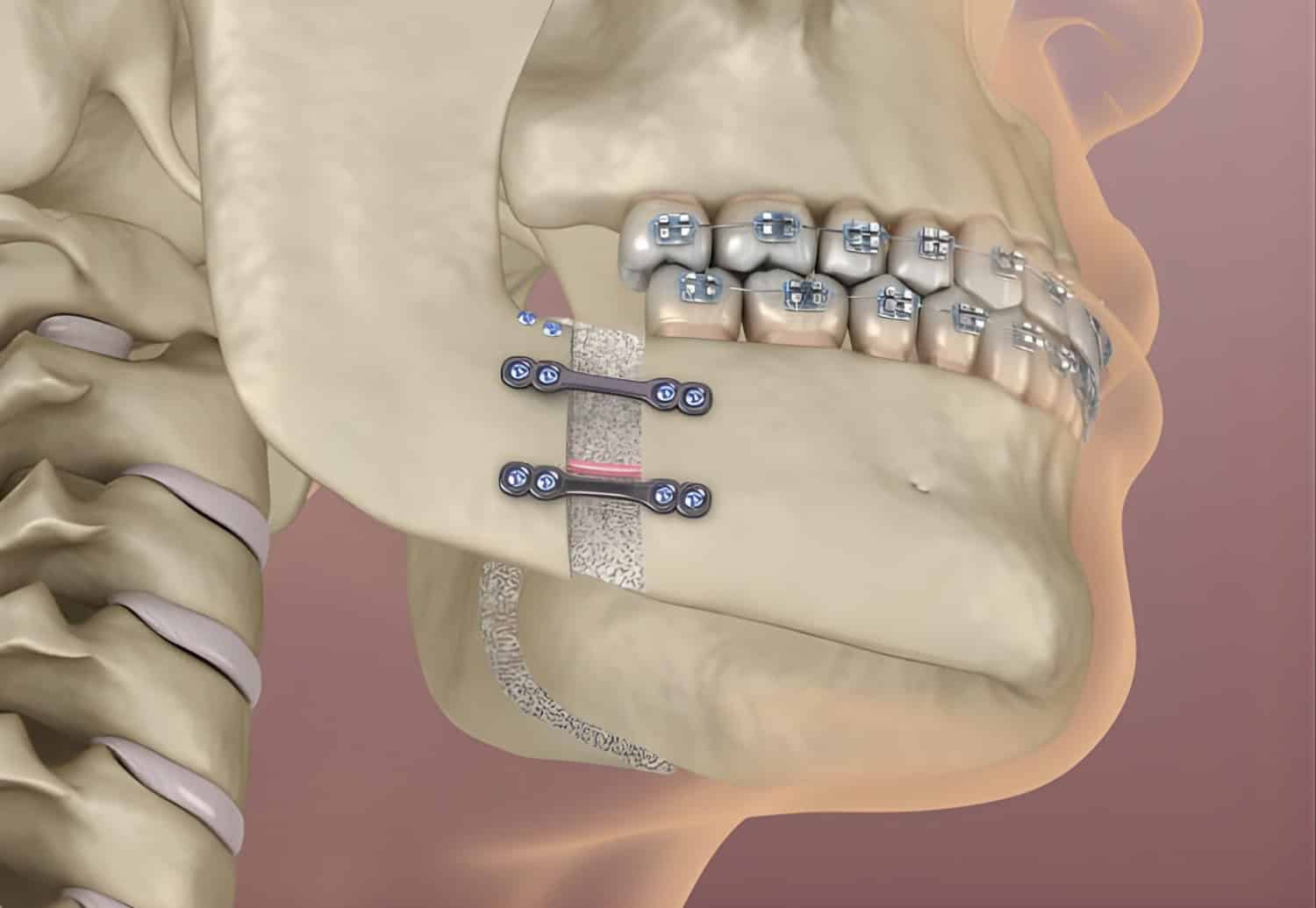
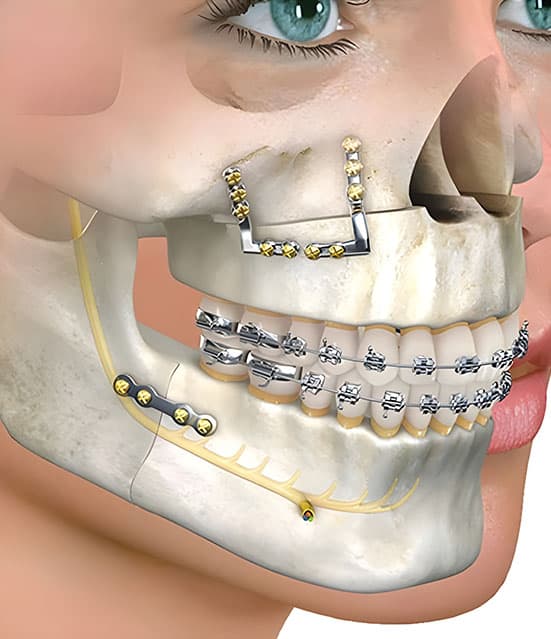
Under general anesthesia, the surgeon makes incisions inside the mouth to access the jaw bones. Bones are precisely cut, repositioned according to the virtual plan, and secured with titanium plates and screws.
Upper jaw surgery (maxillary osteotomy) repositions the upper jaw. Lower jaw surgery (mandibular osteotomy) repositions the lower jaw. Both can be performed together (bimaxillary surgery) when needed.
Hospital Stay and Initial Recovery
Most patients stay in the hospital 1-2 nights. Swelling peaks at 48-72 hours. A liquid diet is required initially. Pain is managed with medication.
Post-Surgical Orthodontics
After 4-6 weeks of healing, brace adjustments resume to finalize tooth positions in the new jaw relationship. This phase takes 6-12 months.
Retention
After braces are removed, retainers maintain the final result. Permanent retainers may be bonded behind teeth.
Treatment Duration
12–24 months
Correction Focus
Jaw alignment
Benefits Of Orthognathic Treatment
Orthognathic surgery provides comprehensive correction of jaw misalignment with functional and aesthetic improvements. The treatment addresses root skeletal problems rather than just symptoms.
Key benefits include:
Correct severe bite misalignment permanently
Improve chewing efficiency and function
Enhance facial balance and appearance
Resolve breathing and airway problems
Resolve breathing and airway problems
Prevent future dental problems from misalignment
Get Your Free Dental Quote
Speak with an experienced dentist in Albania and receive a personalized treatment recommendation. We offer free evaluations for all dental treatments, with transparent pricing and expert guidance at every step.
Start your transformation today!
Send your details for a FREE CONSULTATION!
Perfect Smile, Zero Worries with american dental hospital
Transform your smile with our all-inclusive dental packages, covering treatment, flights and accommodation.
Testimonials
Real Stories From Our Patients
Patients from across Europe and beyond share their experience at American Dental Hospital in Tirana.
4.9
Google Rating
Based on +1000 reviews
Excellent

436 reviews on


22/01/2026
I chose All on 4 because I wanted a fixed solution and less surgery. The dentist explained everything clearly and I had temporary teeth very fast. I can eat and smile normally again!
Read More
– Verona
08/01/2026
Came for implants after years of problems. Everything was explained clearly and I felt comfortable from the first visit. The clinic was very clean and professional. I would do it again.
Read More
– Milan
29/11/2025
I was nervous traveling for dental treatment but it went better than expected. The dentist took time with me and the results look very natural. Big difference in my smile.
Read More
– Rome
14/12/2025
Had crowns and general dental work done. No pain and no rush. Prices were fair and the quality was honestly higher than I expected.
Read More
– Bologna
07/06/2025
I came after a recommendation from a friend. Very organized team and clear communication. I felt safe the whole time and I’m happy with the outcome.
Read More
– Milan
18/08/2025
I needed cosmetic dental work and didn’t want anything fake looking. The dentist listened to what I wanted. My veneers look amazing but natural.
Read More
– Naples
02/10/2025
I had ongoing dental issues for years. Treatment here finally solved them. Everything went smoothly from consultation to follow up.
Read More
– London
21/12/2025
I went for All on 6 after losing many teeth over the years. The whole process was well organized and the team was very professional. The final result feels strong and looks natural.
Read More
– Turin
Who Needs Orthognathic Treatment
Patients With Severe Underbite or Overbite: When the upper and lower jaws are significantly misaligned, creating functional and aesthetic problems that braces alone cannot correct.
Patients With Facial Asymmetry: Uneven jaw growth causing crooked facial appearance, chin deviation, or imbalanced features requires surgical correction for symmetry.
Patients With Difficulty Chewing: Severe bite misalignment prevents proper chewing, causing excessive tooth wear, or making it difficult to eat normally.
Patients With Sleep Apnea: Recessed jaw positions can obstruct airways during sleep. Jaw advancement surgery often resolves or significantly improves sleep apnea.
Patients With Jaw Joint Pain: Severe malocclusion causing chronic TMJ problems and pain that conservative treatment cannot resolve may require surgical correction.
Common Conditions Addressed By Orthognathic Treatment
Class II Malocclusion (Overbite)
Upper jaw positioned too far forward or lower jaw too far back, creating excessive overjet and a weak chin appearance. Corrected by advancing the lower jaw or setting back the upper jaw.
Class III Malocclusion (Underbite)
Lower jaw positioned too far forward or upper jaw too far back, causing an underbite and protruding chin. Corrected by advancing the upper jaw or setting back the lower jaw.
Open Bite
Front teeth do not touch when back teeth are together. The gap between the upper and lower front teeth prevents proper biting. Corrected by repositioning the jaw vertically.
Facial Asymmetry
Uneven jaw growth causes a crooked midline, tilted bite plane, or facial imbalance. Corrected by repositioning the jaws symmetrically.
Airway Obstruction
Recessed jaw positions narrow the airway and cause breathing problems or sleep apnea. Corrected by jaw advancement to open the airway.
Why Choose Dental Care in Albania?
Choosing dental care in Albania means combining excellent medical standards with smart, stress-free treatment planning. Over the past years, Albania has become a trusted destination for international patients looking for reliable dental solutions without inflated costs.
Favourable prices – Save up to 70% compared to Italy, UK, and Germany.
Expert Dentists – Internationally trained specialists you can trust.
Advanced technology – 3D scanners and minimally invasive surgery techniques.
All-inclusive packages – Assistance with flights, transport, and accommodation.
Maximum safety – Treatments performed in a certified hospital environment with 24/7 medical monitoring.
Types of Orthognathic Surgery
Maxillary Osteotomy (Upper Jaw)
The upper jaw is cut and repositioned forward, backward, up, down, or rotated. Corrects upper jaw deficiency or excess and improves midface aesthetics.
Mandibular Osteotomy (Lower Jaw)
The lower jaw is cut and repositioned forward or backward. Corrects receding or protruding chin and improves lower facial profile.
Bimaxillary Surgery
Both upper and lower jaws are repositioned in the same surgery. Provides maximum correction for severe skeletal discrepancies.
Genioplasty (Chin Surgery)
The chin bone is repositioned or reshaped to improve facial profile. Often performed with jaw surgery for optimal aesthetic balance.
Maxillary Expansion
The upper jaw is surgically widened to correct a narrow arch and crossbite. Creates space and improves breathing through the nasal passages.
Recovery After Orthognathic Treatment
Week 1-2:Significant facial swelling, liquid diet only, limited activity, pain managed with medication. Swelling peaks around day 3, then gradually improves.
Weeks 3-4: Swelling decreases substantially. Transition to soft foods. Bruising resolves. Return to light activities. Numbness in facial areas may persist.
Months 2-3: Chewing ability improves. Most swelling resolved. Diet expands to most foods. Normal activities resume. Orthodontic adjustments continue.
Months 4-6: Bone healing completes. Residual swelling resolves. Sensation returns to previously numb areas in most cases. Significant improvement is visible.
Months 6-12: Teeth are finalized in the new bite. Braces are removed. Final results achieved. Retainers begin.
Risks and Considerations
Orthognathic surgery is a major surgery with risks including infection, bleeding, nerve injury causing numbness, relapse requiring revision, and TMJ changes. Choosing experienced surgeons minimizes these risks.
Temporary numbness in the lips, chin, or cheeks is common and usually resolves within 6-12 months. Permanent altered sensation occurs in a small percentage of cases.
Careful surgical planning, skilled execution, and proper post-operative care ensure high success rates and patient satisfaction with results.
Why Patients Trust American Dental Hospital
Experienced Maxillofacial Surgeons
The surgical team has specialized training in orthognathic surgery with hundreds of successful cases. This expertise ensures optimal functional and aesthetic outcomes.
Advanced 3D Virtual Planning
State-of-the-art imaging and planning software allows precise surgical simulation and execution. This technology improves accuracy and reduces complications.
Coordinated Orthodontic-Surgical Care
Orthodontists and surgeons work together seamlessly throughout treatment. This coordination ensures optimal results from the combined approach.
Modern Surgical Facilities
Procedures are performed in fully equipped surgical suites with advanced monitoring and anesthesia. Patient safety is paramount throughout treatment.
Get Your Free Dental Quote
Speak with an experienced dentist in Albania and receive a personalized treatment recommendation. We offer free evaluations for all dental treatments, with transparent pricing and expert guidance at every step.
Start your transformation today!
Send your details for a FREE CONSULTATION!
Your Dental Questions, Answered Here
Frequently Asked Questions
Got questions about your dental care? We’re here to provide clear, honest answers to help you feel confident and informed every step of the way.
How Long Does Orthognathic Treatment Take?
Complete treatment, including pre-surgical orthodontics, surgery, recovery, and post-surgical orthodontics, typically takes 18-36 months from start to finish.
Is Orthognathic Surgery Painful?
The surgery itself is performed under general anesthesia, so you feel nothing. Post-operative discomfort is managed with pain medication. Most patients report less pain than expected.
Will My Face Look Different After Surgery?
Yes, facial appearance improves with better balance and proportions. The changes are usually very positive and natural-looking while maintaining your unique features.
Is Jaw Surgery Permanent?
Yes, results are permanent once bones heal in their new positions. Minor settling may occur, but skeletal correction is stable long-term.
Where Can I Get Expert Orthognathic Treatment In Albania?
Patients choose American Dental Hospital for orthognathic treatment because of experienced maxillofacial surgeons, advanced 3D virtual planning, coordinated orthodontic-surgical care, and comprehensive treatment that permanently corrects jaw misalignment.

Still Have Questions?
Call: +355 67 556 2354
Blogs & Articles
Latest Articles
Get expert dental care tips and clinic updates—all designed to keep your smile healthy and bright.

Hello world!
Welcome to WordPress. This is your first post. Edit or delete it, then start writing!
Read More
Hello world!
Welcome to WordPress. This is your first post. Edit or delete it, then start writing!
Read More
Hello world!
Welcome to WordPress. This is your first post. Edit or delete it, then start writing!
Read More
Our Services
Save up to 70% with a dentist in Albania.
Our expert team combines advanced technology with personalized attention to address your unique oral health needs—ensuring precision, comfort, and lasting results.



General Dental Care
Learn More About General Dental Care
Preventive Dentistry
Learn More About Preventive Dentistry
Simple 1 minute consultation request for our experts
Request Your Free Quote
Start your transformation today!
Send your details for a FREE CONSULTATION!