Up to 70% lower prices than other countries
Pterygoid Implants In Albania | American Dental Hospital
Pterygoid implants are for patients with severe bone loss in the upper jaw who are not suitable for standard implants. This technique anchors implants in the pterygoid bone, often avoiding the need for bone grafting. The result is a stable foundation for fixed teeth and restored oral function at American Dental Hospital.
Excellent
436 reviews on

What Are Pterygoid Implants?
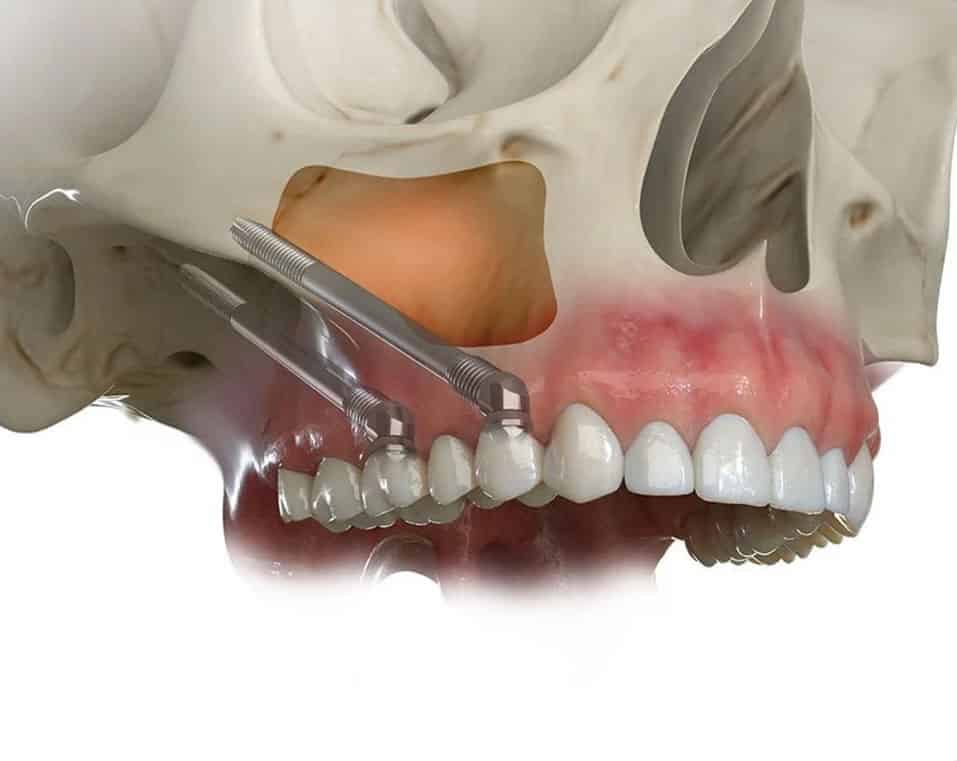
Pterygoid implants are long dental implants that extend through the maxillary bone and anchor in the pterygoid plate, a dense bone structure at the back of the upper jaw. These implants typically measure 18-20mm in length and are angled posteriorly.
This technique addresses severe bone loss in the upper back jaw, where conventional implants cannot be placed due to insufficient bone height. The pterygoid bone provides strong anchorage that eliminates the need for extensive bone grafting or sinus lift procedures.
Pterygoid implants support full-arch restorations and work in combination with anterior implants to create a stable foundation. They are used in advanced All-on-4, All-on-6, or hybrid implant protocols when standard posterior placement is not possible.
Get Your Free Dental Quote
Speak with an experienced dentist in Albania and receive a personalized treatment recommendation. We offer free evaluations for all dental treatments, with transparent pricing and expert guidance at every step.
Start your transformation today!
Send your details for a FREE CONSULTATION!
Before and After: Dentist Albania
Take a look at our Before & After gallery to discover the success stories of our patients – from simple whitening to complete rehabilitations with dental implants.


Dentists in Albania Video Reviews
This section collects video testimonials from patients of our dental clinic in Albania, showing results and real stories of those who chose American dental hospital.



Watch John S.’s Story
Dental Veneers
Watch John S.’s Story
Dental Veneers
Watch John S.’s Story
Dental Veneers
Watch John S.’s Story
Dental Veneers
Watch John S.’s Story
Dental Veneers
Watch John S.’s Story
Dental Veneers
The Pterygoid Implant Procedure Step by Step
Advanced 3D Imaging and Analysis: Treatment begins with high-resolution cone beam CT scans that map the entire maxillofacial anatomy. At American Dental Hospital, this imaging identifies the pterygoid plates, measures bone density, and locates vital structures like nerves and blood vessels.
Digital Surgical Planning: Specialized software is used to virtually plan pterygoid implant trajectory, entry point, and final position. The implant path must angle posteriorly to engage the pterygoid bone while avoiding anatomical obstacles.
Custom Surgical Guide Fabrication: A precision surgical guide is created based on the digital plan. This guide ensures accurate implant placement along the planned trajectory, which is critical for pterygoid implant success.
Anesthesia and Surgical Access: General anesthesia or deep IV sedation is typically used for pterygoid implant surgery. The surgical site is accessed through the gum tissue in the upper back jaw area.
Anterior Implant Placement: Two to four standard implants are placed in the front upper jaw where bone is adequate. These work in combination with the pterygoid implants to support the full arch.
Pterygoid Implant Placement: One or two pterygoid implants are placed using the surgical guide. The implants are angled backward at approximately 30-45 degrees and extend through the maxillary tuberosity to engage the pterygoid bone. Precise drilling follows the planned path to reach the dense pterygoid plate.
Stability Verification: The surgeon checks implant stability by measuring insertion torque. Pterygoid implants typically achieve high primary stability due to the dense nature of pterygoid bone.
Abutment Connection: Multi-unit abutments are attached to all implants including the pterygoid implants. These abutments are angled to create a proper prosthetic path.
Immediate Temporary Prosthesis Delivery: A full-arch temporary prosthesis is fabricated and secured to all implants on the same day. The pterygoid implants provide critical posterior support for the restoration.
Healing and Final Restoration: After 4-6 months of osseointegration, the final prosthesis is created and placed. The pterygoid implants are now fully integrated and provide long-term posterior support.
Duration of the Procedure
1-5 hours
Brands of Plants
Germanic, Swiss
Warranty
Certificates 15+ years
Transport
Private chauffeur
Accommodation
Luxury Suite 5★
Duration of Implantation
15-20 years

Benefits Of Pterygoid Implants
Pterygoid implants enable full-arch restoration in cases where conventional implants would fail. The technique uses natural anatomical structures to create stable support without extensive bone grafting.
Key benefits include:
Provides a solution for severe upper jaw bone loss
Eliminates the need for sinus lift procedures
Uses dense pterygoid bone for superior stability
Allows immediate loading with same-day teeth
Reduces overall treatment time and cost
Avoids lengthy bone grafting healing periods
Get Your Free Dental Quote
Speak with an experienced dentist in Albania and receive a personalized treatment recommendation. We offer free evaluations for all dental treatments, with transparent pricing and expert guidance at every step.
Start your transformation today!
Send your details for a FREE CONSULTATION!
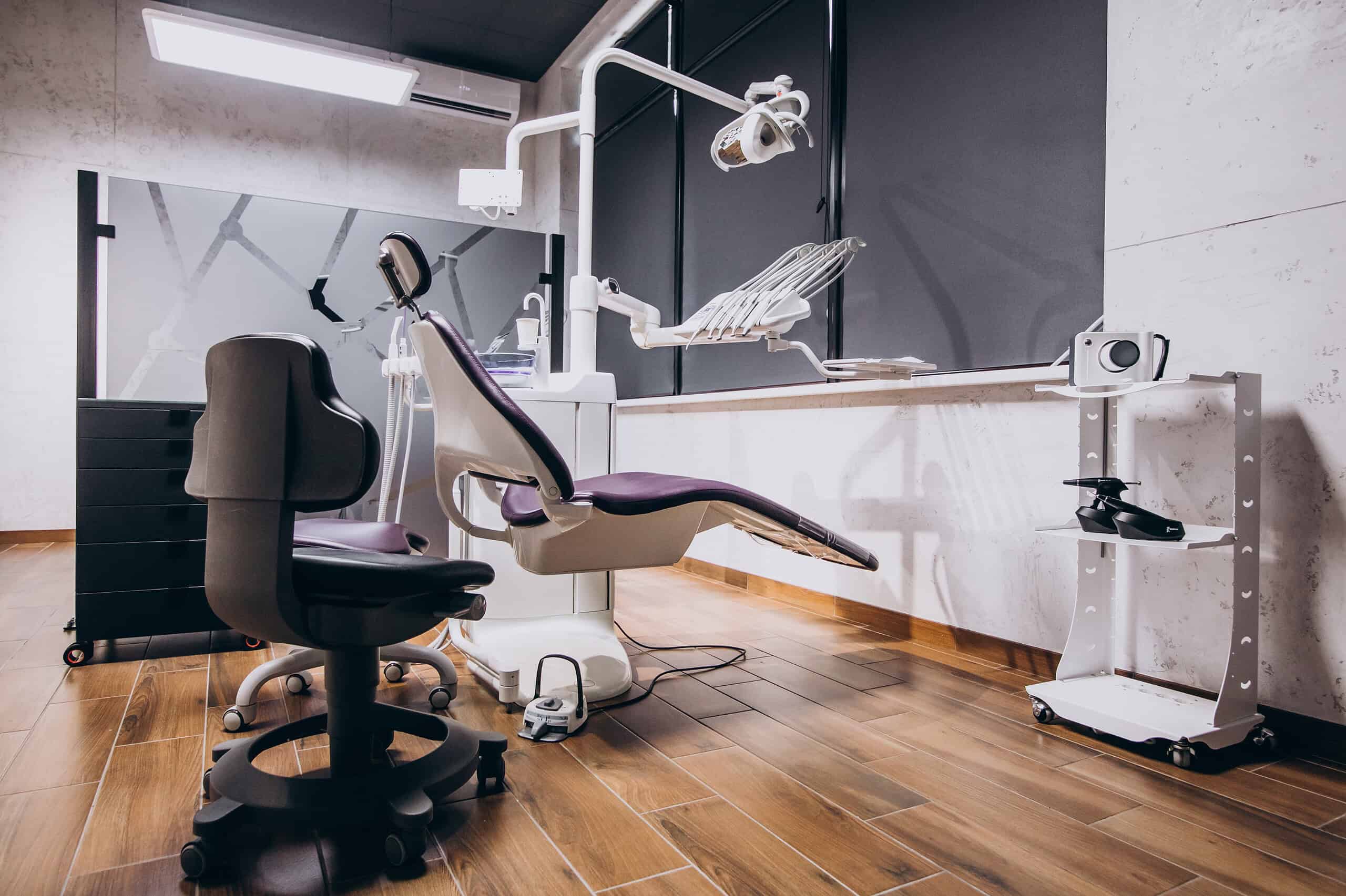
Perfect Smile, Zero Worries with american dental hospital
Transform your smile with our all-inclusive dental packages, covering treatment, flights and accommodation.
Testimonials
Real Stories From Our Patients
Patients from across Europe and beyond share their experience at American Dental Hospital in Tirana.
4.9
Google Rating
Based on +1000 reviews
Excellent

436 reviews on


22/01/2026
I chose All on 4 because I wanted a fixed solution and less surgery. The dentist explained everything clearly and I had temporary teeth very fast. I can eat and smile normally again!
Read More
– Verona
08/01/2026
Came for implants after years of problems. Everything was explained clearly and I felt comfortable from the first visit. The clinic was very clean and professional. I would do it again.
Read More
– Milan
29/11/2025
I was nervous traveling for dental treatment but it went better than expected. The dentist took time with me and the results look very natural. Big difference in my smile.
Read More
– Rome
14/12/2025
Had crowns and general dental work done. No pain and no rush. Prices were fair and the quality was honestly higher than I expected.
Read More
– Bologna
07/06/2025
I came after a recommendation from a friend. Very organized team and clear communication. I felt safe the whole time and I’m happy with the outcome.
Read More
– Milan
18/08/2025
I needed cosmetic dental work and didn’t want anything fake looking. The dentist listened to what I wanted. My veneers look amazing but natural.
Read More
– Naples
02/10/2025
I had ongoing dental issues for years. Treatment here finally solved them. Everything went smoothly from consultation to follow up.
Read More
– London
21/12/2025
I went for All on 6 after losing many teeth over the years. The whole process was well organized and the team was very professional. The final result feels strong and looks natural.
Read More
– Turin
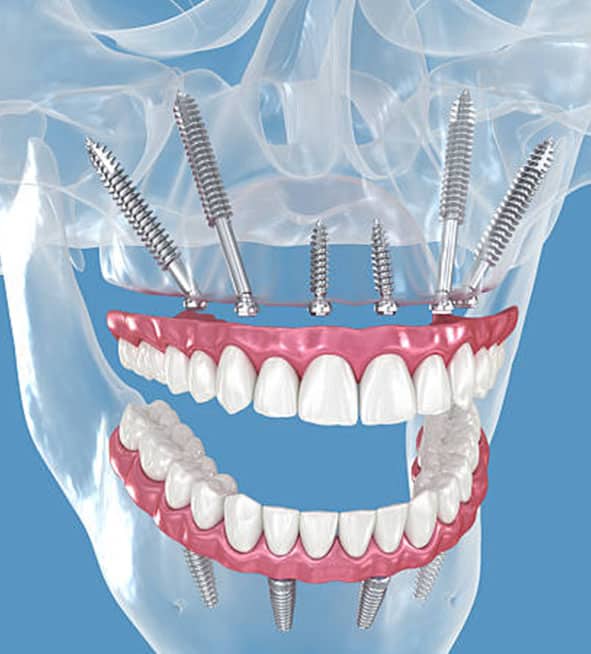
Who Needs Pterygoid Implants
Patients With Severe Upper Jaw Bone Loss: Pterygoid implants are essential for patients who have extensive bone resorption in the upper back jaw. Standard implants cannot be placed when bone height is severely deficient.
Patients Who Want to Avoid Sinus Grafting: This technique bypasses the need for sinus lift procedures by anchoring implants behind and beyond the sinus cavity. Patients who cannot undergo sinus grafting benefit from this approach.
Patients Requiring Full Upper Arch Restoration: Pterygoid implants are used in full-arch cases where posterior support is needed but conventional implant placement is impossible due to anatomical limitations.
Patients With Failed Previous Implants: When traditional posterior implants have failed due to insufficient bone, pterygoid implants offer an alternative solution using different bone structures for support.
Pterygoid Implants Vs Other Dental Implants
Pterygoid Implants vs Traditional Implants – Pterygoid implants are anchored in dense bone behind the upper jaw and often avoid bone grafting, while traditional implants rely on jawbone volume and may require additional grafting procedures.
Pterygoid Implants vs Zygomatic Implants – Pterygoid implants use the pterygoid bone for support, whereas zygomatic implants are anchored in the cheekbone and are typically reserved for more extreme bone loss cases.
Pterygoid Implants vs All-on-4 Implants – Pterygoid implants are often used to support posterior teeth in severe bone loss cases, while All-on-4 implants are designed for full-arch restorations using strategically angled implants.
Pterygoid Implants vs Immediate Loading Implants – Pterygoid implants can often support immediate loading due to strong bone anchorage, while immediate loading with other implants depends on bone quality and primary stability.

Why Choose Dental Care in Albania?
Choosing dental care in Albania means combining excellent medical standards with smart, stress-free treatment planning. Over the past years, Albania has become a trusted destination for international patients looking for reliable dental solutions without inflated costs.
Favourable prices – Save up to 70% compared to Italy, UK, and Germany.
Expert Dentists – Internationally trained specialists you can trust.
Advanced technology – 3D scanners and minimally invasive surgery techniques.
All-inclusive packages – Assistance with flights, transport, and accommodation.
Maximum safety – Treatments performed in a certified hospital environment with 24/7 medical monitoring.
Pterygoid Implants Recovery and Post-Operative Care
First 48 Hours
Expect moderate swelling and discomfort in the upper jaw. Use prescribed pain medication and ice packs. Eat only soft, cool foods. Rest and avoid strenuous activity.
Week 1-2
Swelling decreases gradually. Continue soft diet and gentle oral hygiene. Avoid blowing your nose forcefully, which can affect healing in the upper jaw area.
Weeks 3-8
Most discomfort resolves. You can expand your diet while avoiding very hard foods. The temporary prosthesis should feel comfortable and functional.
Months 3-6
Pterygoid implants integrate with bone. You continue wearing the temporary restoration and attend checkup appointments for monitoring.
Pterygoid Implants Success Rate
Pterygoid implants have a very high success rate when placed by experienced specialists, largely because they anchor into dense, stable bone at the back of the upper jaw. This strong bone support allows for excellent primary stability and long-term reliability, even in patients with severe bone loss who are not candidates for traditional implants.
At American Dental Hospital, advanced surgical planning, modern implant systems, and strict clinical protocols play a key role in achieving predictable outcomes, making pterygoid implants a trusted solution for complex upper-jaw restorations with lasting results.

Aftercare And Maintenance
After pterygoid implant surgery, specific care protects the implants and ensures successful integration. Following instructions carefully is essential for these advanced implants.
To take care for pterygoid implants:
- Take all prescribed antibiotics and medications
- Avoid blowing your nose for 2 weeks after surgery
- Do not smoke during healing period
- Eat soft foods for 6-8 weeks
- Sleep with head elevated for first week
- Brush gently and use prescribed rinses
- Avoid heavy lifting or strenuous exercise for 2 weeks
- Attend all follow-up appointments
- Report any unusual symptoms immediately
The Cost of Pterygoid Implants in Albania
The cost of pterygoid implants in Albania depends on several clinical factors, including the complexity of the case, bone condition, and the number of implants required. Because these implants are used in advanced situations with severe upper jaw bone loss, each treatment plan is highly personalized.
One of the main advantages of pterygoid implants is that they often eliminate the need for additional procedures such as bone grafting or sinus lifts, which can significantly influence overall cost. This streamlined approach can reduce treatment time while still providing strong, stable support.
Many patients choose American Dental Hospital for pterygoid implants due to its experience with complex implant cases, advanced planning technology, and high treatment standards. Albania continues to be a preferred destination for this procedure, offering reliable results with more accessible costs compared to many Western European countries.
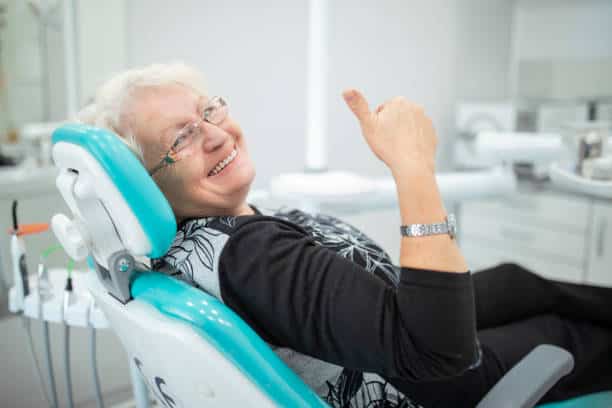
Why Patients Trust American Dental Hospital
Specialized Maxillofacial Expertise
The surgical team includes specialists trained in advanced implant techniques including pterygoid and zygomatic implant placement. This expertise is rare and essential for success.
Advanced 3D Surgical Planning
High-resolution imaging and specialized software map pterygoid bone anatomy precisely. Custom surgical guides ensure accurate implant trajectory and engagement.
Hundreds Of Successful Results
The hospital has successfully completed numerous pterygoid implant cases with high success rates. Experience with complex cases ensures confidence and predictability.
Comprehensive Treatment Approach
From initial evaluation through final restoration, patients receive coordinated care from surgical and prosthetic specialists working together.
Get Your Free Dental Quote
Speak with an experienced dentist in Albania and receive a personalized treatment recommendation. We offer free evaluations for all dental treatments, with transparent pricing and expert guidance at every step.
Start your transformation today!
Send your details for a FREE CONSULTATION!
Your Dental Questions, Answered Here
Frequently Asked Questions
Got questions about your dental care? We’re here to provide clear, honest answers to help you feel confident and informed every step of the way.
Who Is A Good Candidate For Pterygoid Implants?
They are ideal for patients with significant upper jaw bone loss, especially those who want to avoid bone grafting or sinus lift procedures and still receive fixed teeth.
Do Pterygoid Implants Require Bone Grafting?
In most cases, no. One of the biggest advantages of pterygoid implants is that they use existing dense bone, eliminating the need for bone grafts in many patients.
Are Pterygoid Implants Safe?
Yes, when placed by experienced specialists using proper planning and imaging, pterygoid implants are a safe and well-established solution with high success rates.
Can Pterygoid Implants Support Immediate Teeth?
Yes, due to strong bone support, pterygoid implants often allow for immediate loading, meaning temporary fixed teeth can be placed shortly after surgery.
Is Recovery Different From Traditional Implants?
Recovery is generally similar, with mild swelling or discomfort in the first few days, and most patients return to normal activities quickly when post-operative instructions are followed.

Still Have Questions?
Call: +355 67 556 2354
Blogs & Articles
Latest Articles
Get expert dental care tips and clinic updates—all designed to keep your smile healthy and bright.

Hello world!
Welcome to WordPress. This is your first post. Edit or delete it, then start writing!
Read More
Hello world!
Welcome to WordPress. This is your first post. Edit or delete it, then start writing!
Read More
Hello world!
Welcome to WordPress. This is your first post. Edit or delete it, then start writing!
Read More
Our Services
Save up to 70% with a dentist in Albania.
Our expert team combines advanced technology with personalized attention to address your unique oral health needs—ensuring precision, comfort, and lasting results.


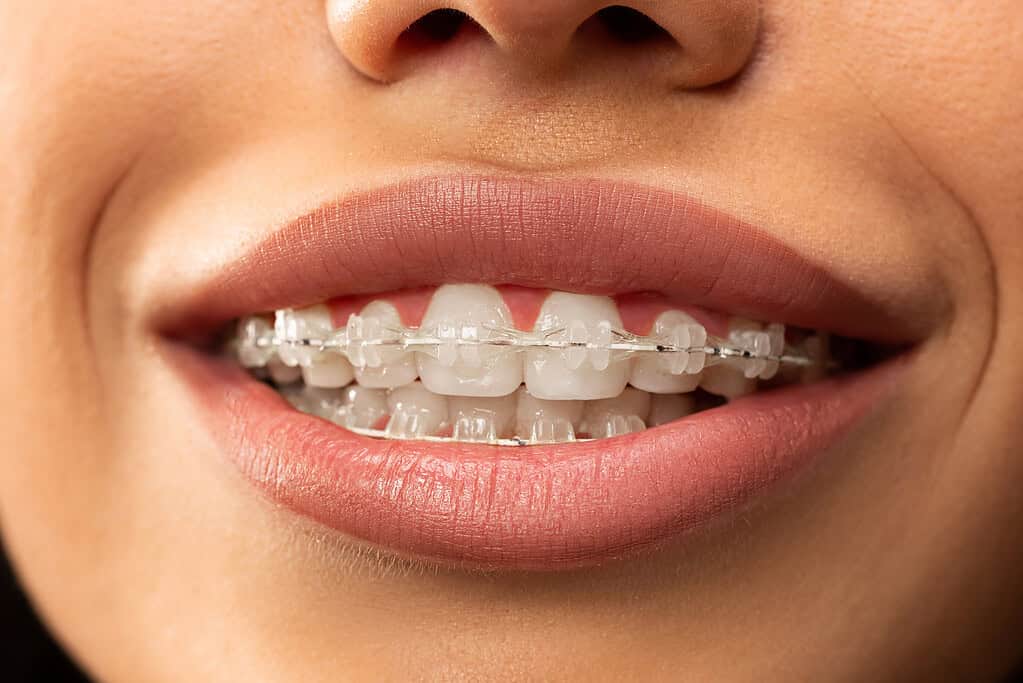

General Dental Care
Learn More About General Dental Care
Preventive Dentistry
Learn More About Preventive Dentistry
Simple 1 minute consultation request for our experts
Request Your Free Quote
Start your transformation today!
Send your details for a FREE CONSULTATION!